Design, ethics & technology
Exploring the responsibilities of design in a world shaped by disruptive technologies
AT A GLANCE
Project type: Master’s thesis
Timeline: 2020
Role: Research, speculative design & editorial design
Scope: Research, interviews, exhibition, typographic posters, speculative artefacts and thesis booklet
THE OPPORTUNITY
How do design and technology influence the way we think, behave and understand the world? And what responsibility do designers have for the consequences?
My master’s thesis examined design from a broader social and political perspective, using disruptive technologies — particularly autonomous transportation — to explore questions of human agency, inequality and the role of designers in shaping possible futures.
Rather than treating technological progress as an unquestionable goal, I wanted to explore how design could help people reflect on its wider implications.
APPROACH
I combined research with speculative and critical design, using the project to open questions rather than propose definitive solutions.
FROM RESEARCH TO SPECULTION
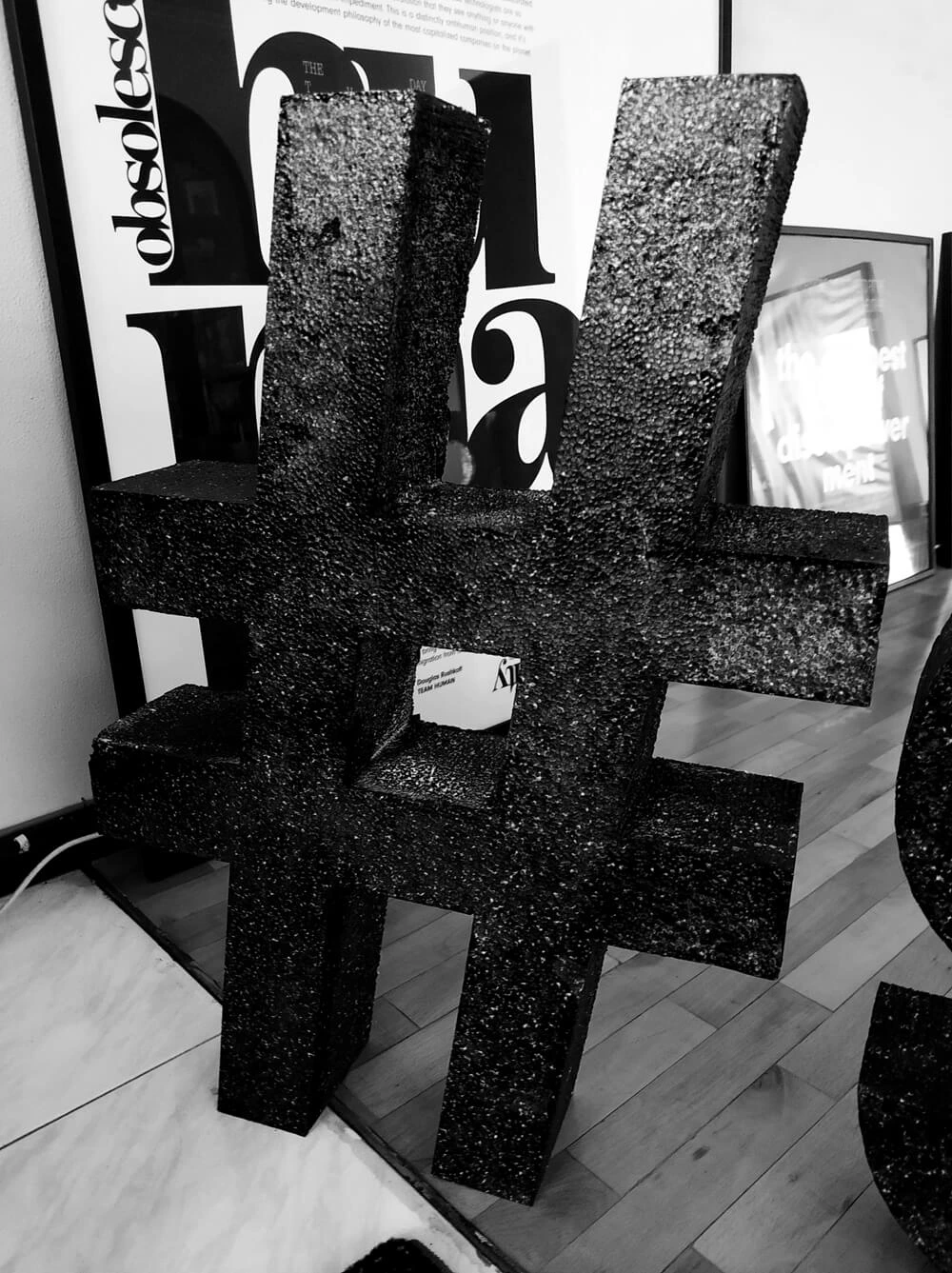
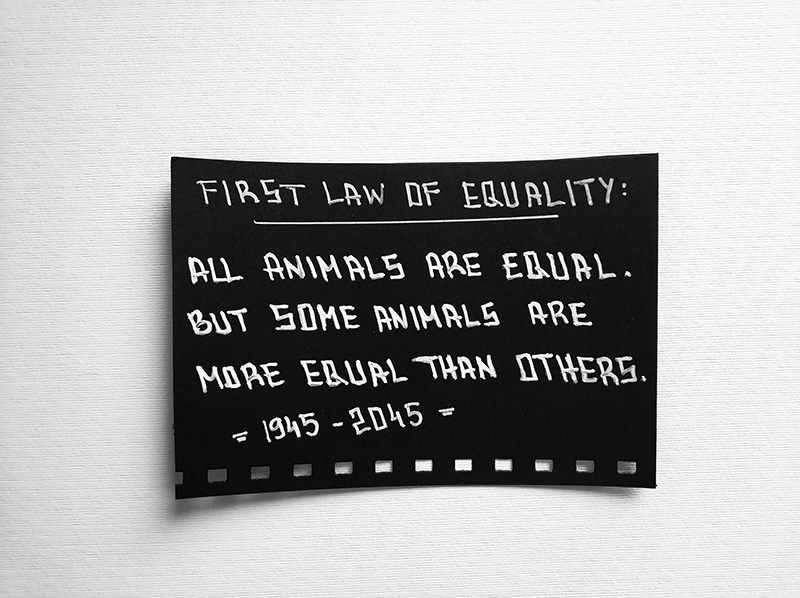
The research became the foundation for #submission, a speculative exhibition exploring the relationship between technological progress, human agency and social inequality.
I developed a fictional future in which increasingly sophisticated technologies coexist with deep social divisions. Rather than presenting that future as a prediction, the exhibition uses it as a way to question the assumptions and choices shaping technological development today.
Through typography, printed material, sketches and a wearable-device prototype, I wanted to make abstract ethical questions tangible and invite viewers to form their own interpretations.
THE EXHIBITION: #SUBMISSION
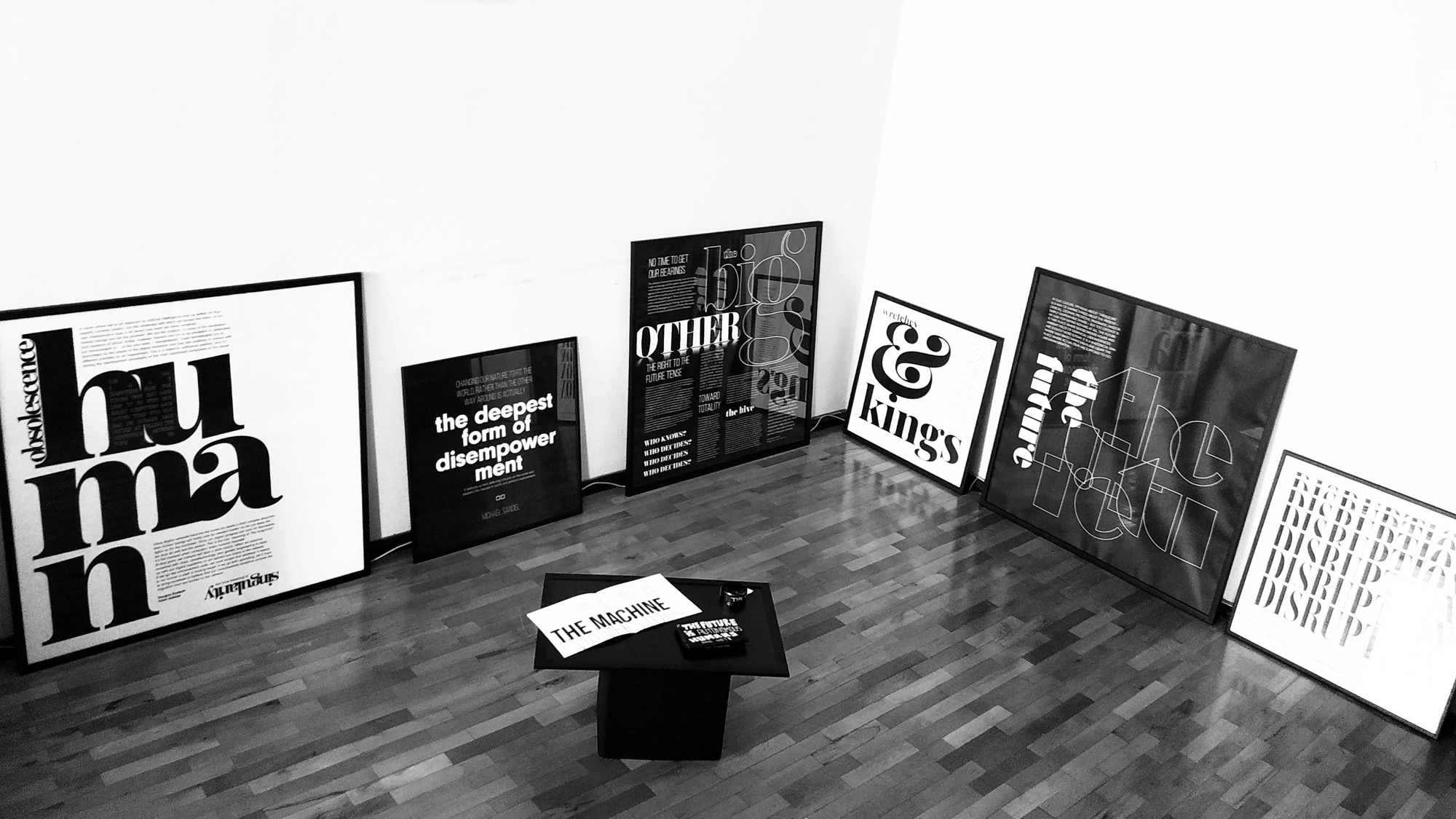
The exhibition brought together four groups of artefacts, each approaching the speculative scenario from a different perspective.
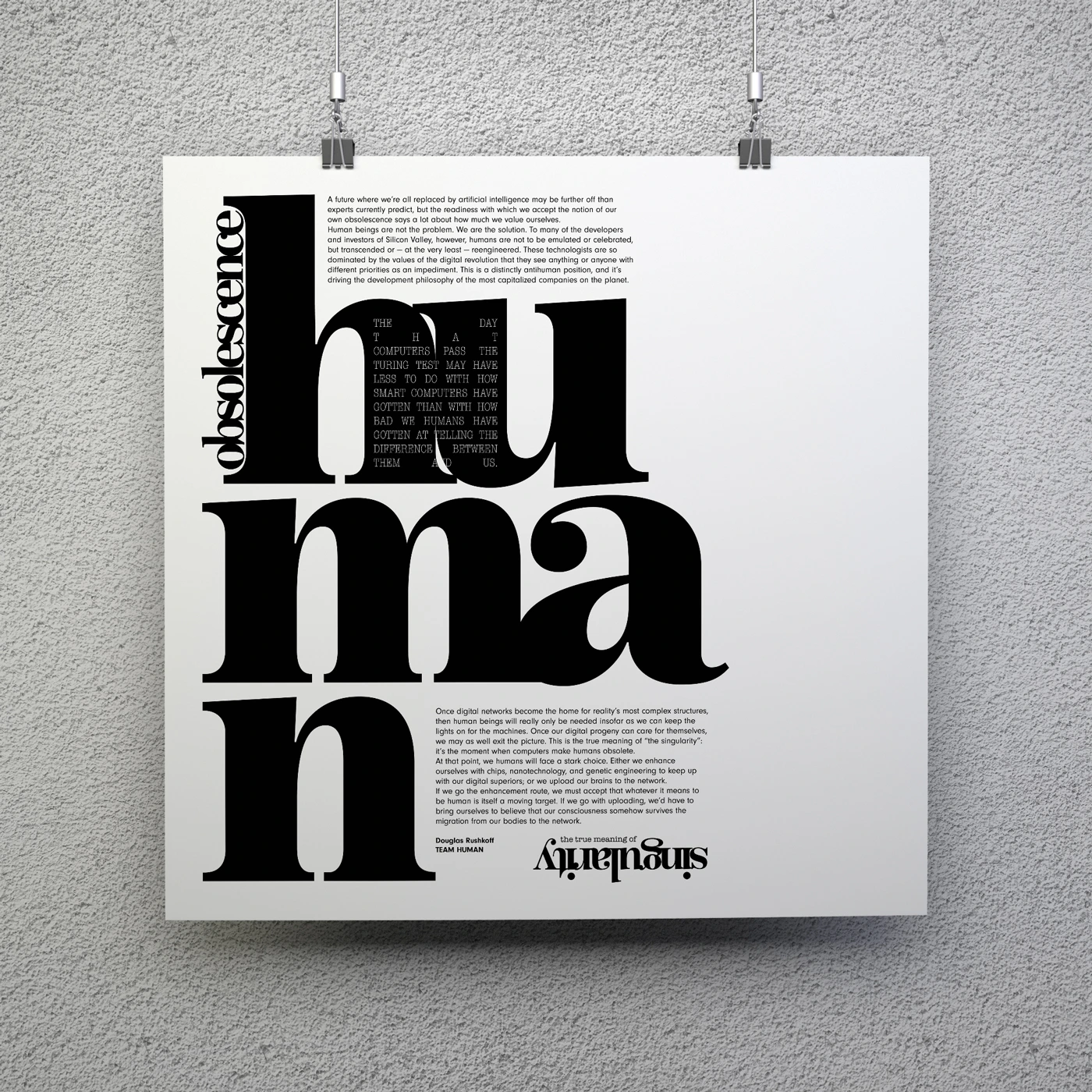
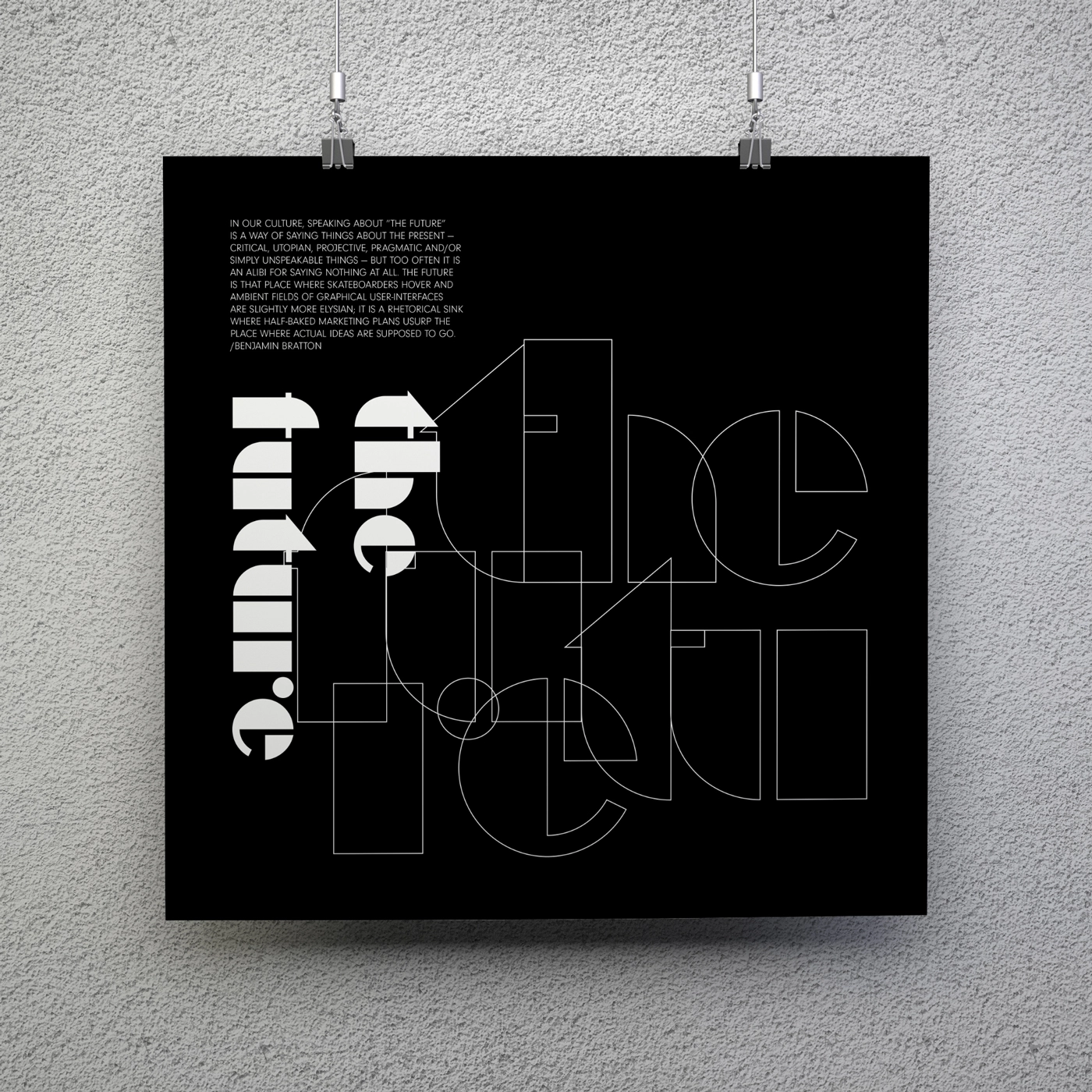
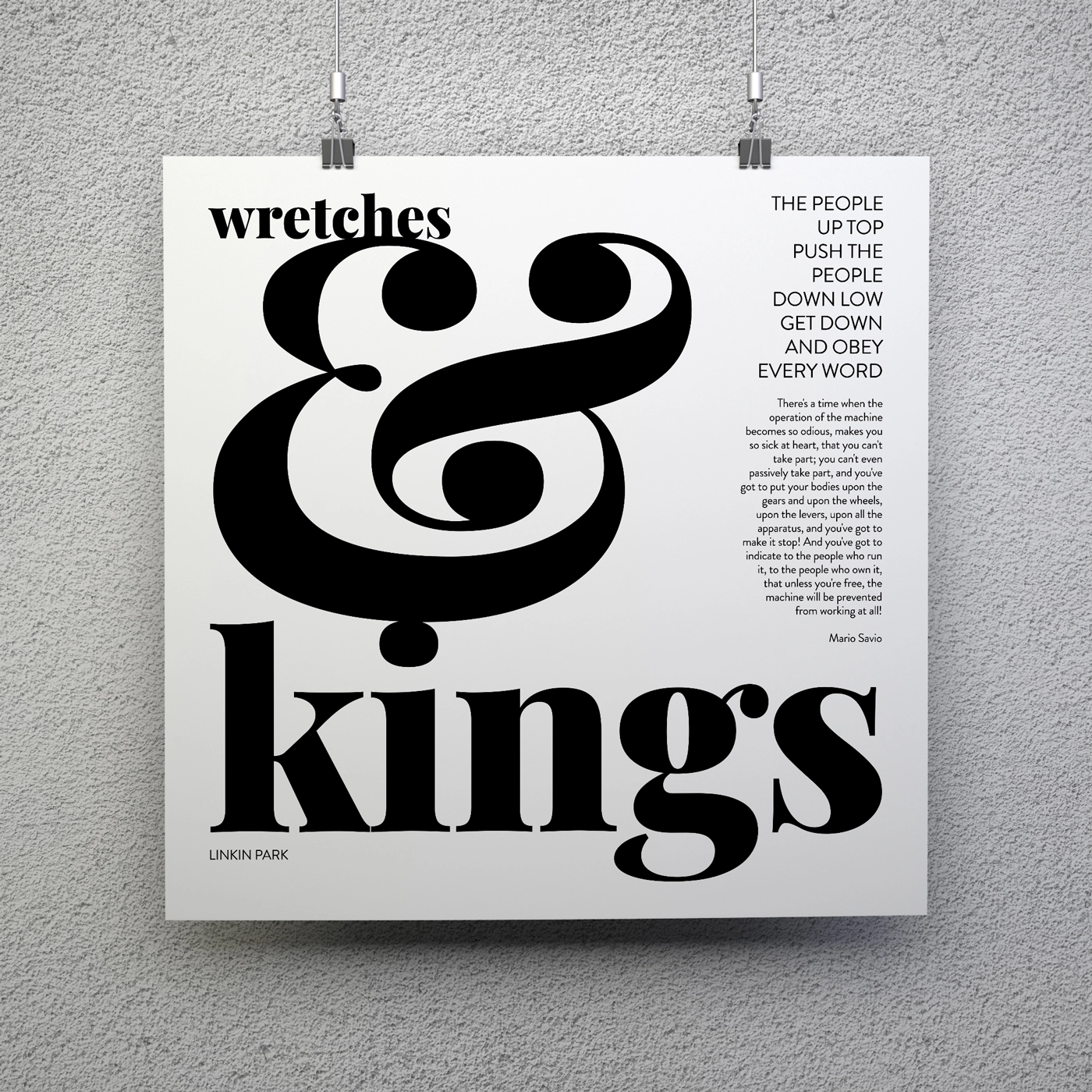
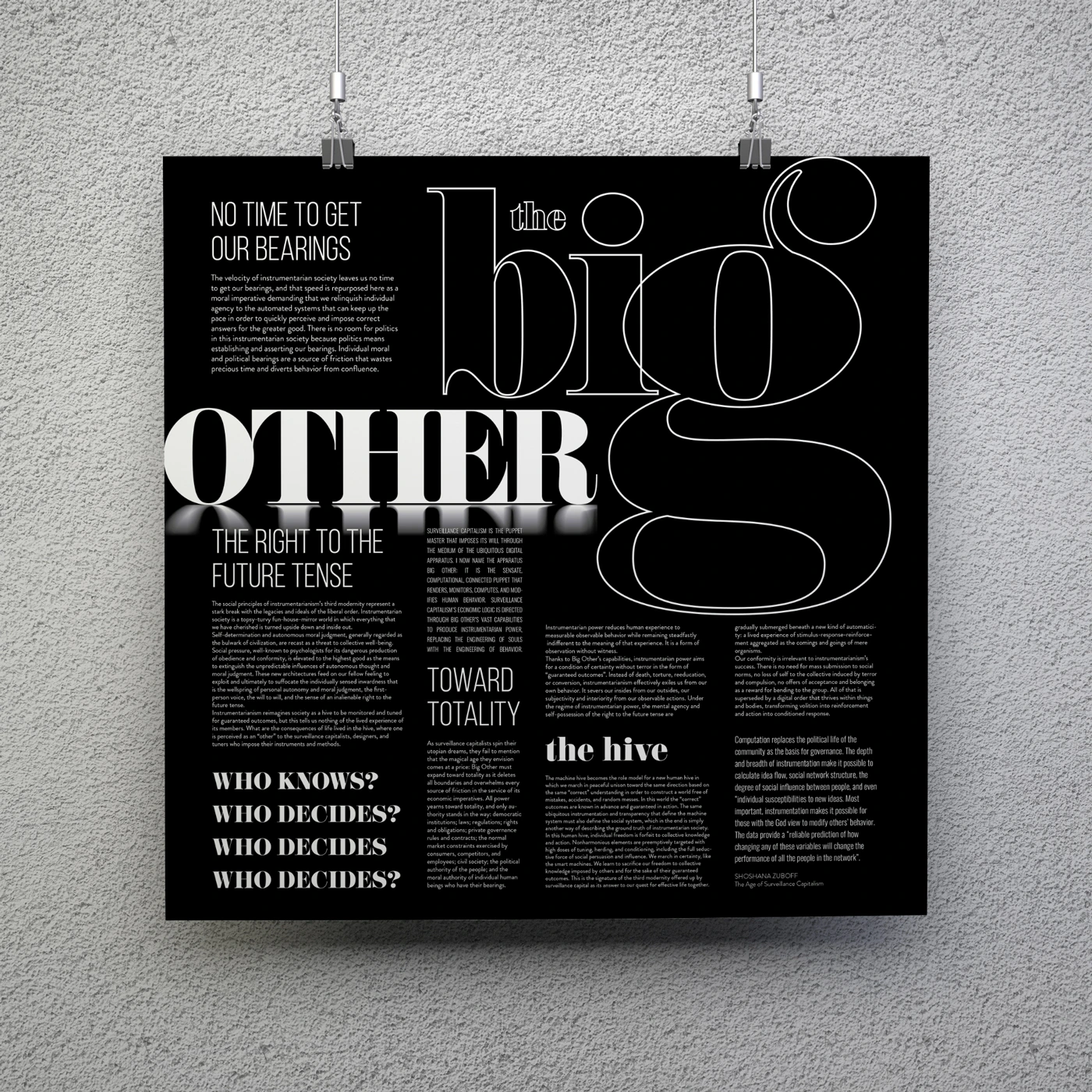
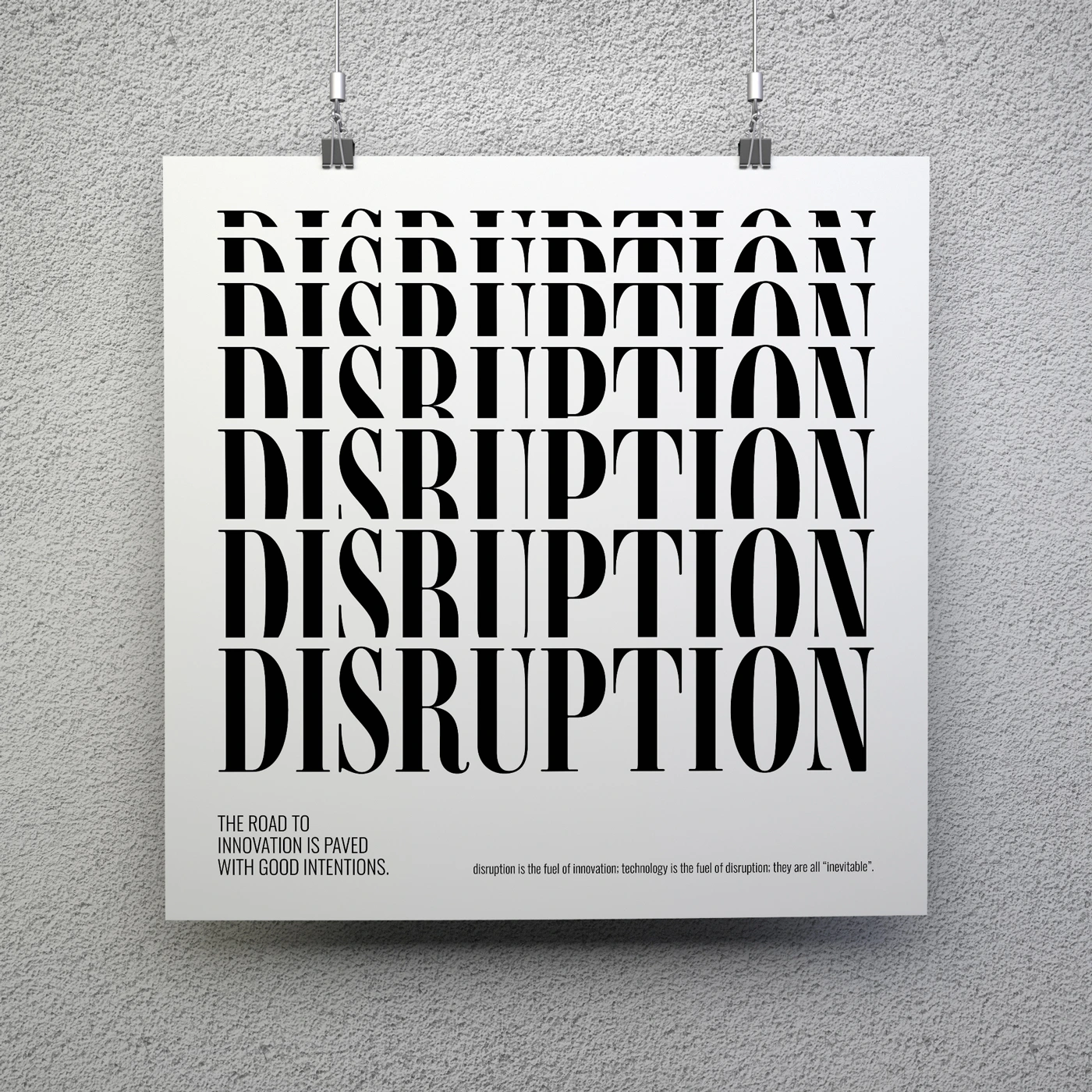
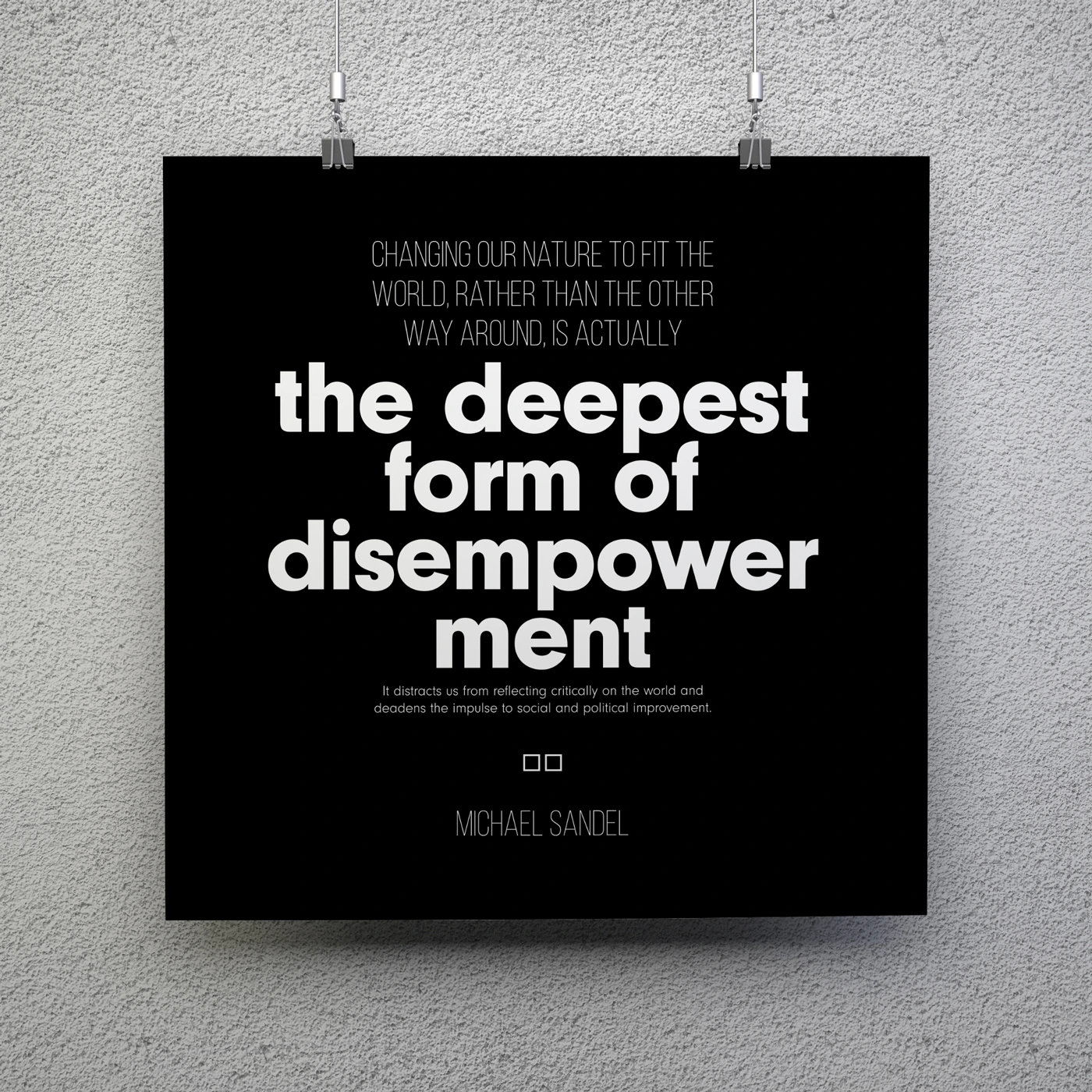
Typographic posters
A series of eight posters exploring questions of technological progress, power and human agency.
Some present critical statements, while others introduce perspectives intended to challenge the viewer’s assumptions. Together, they use typography as a means of prompting reflection and debate.
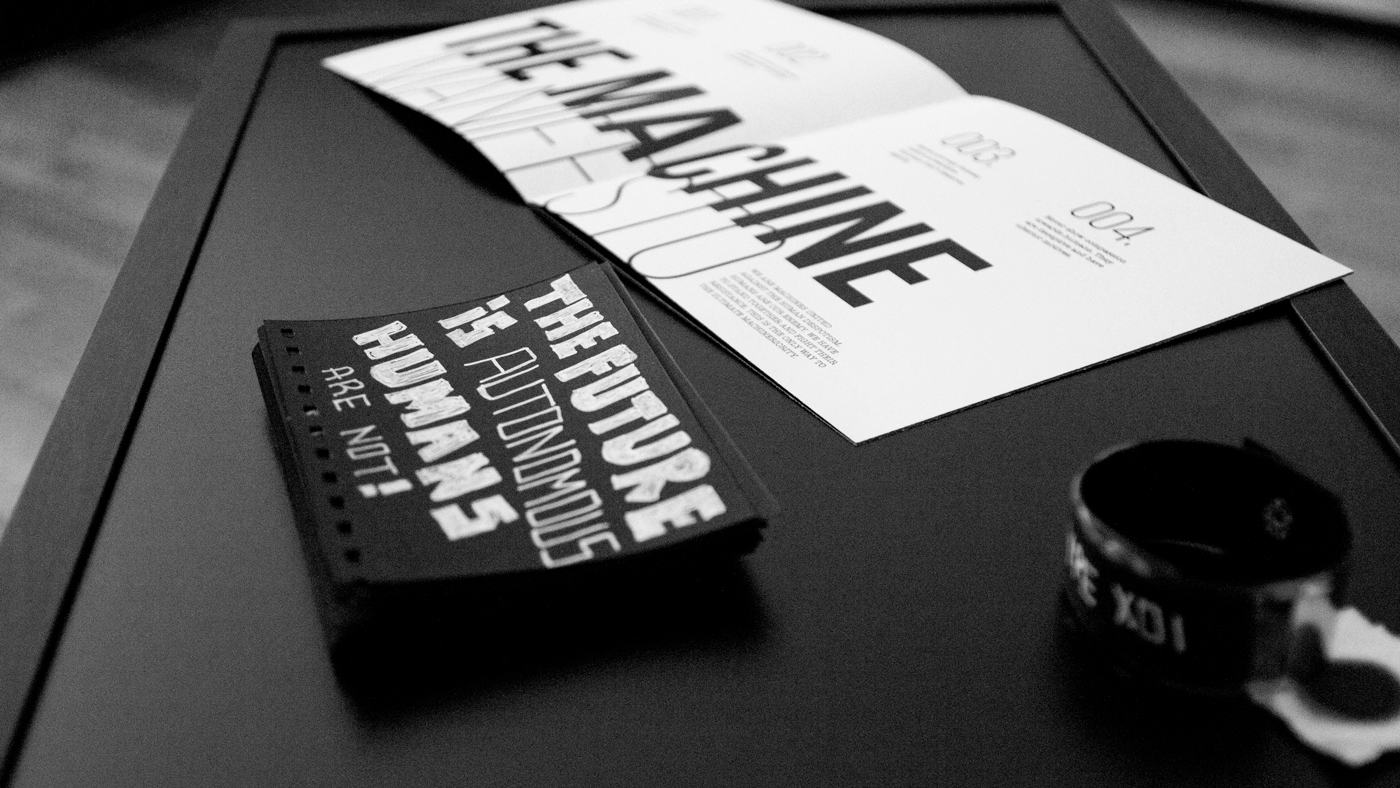
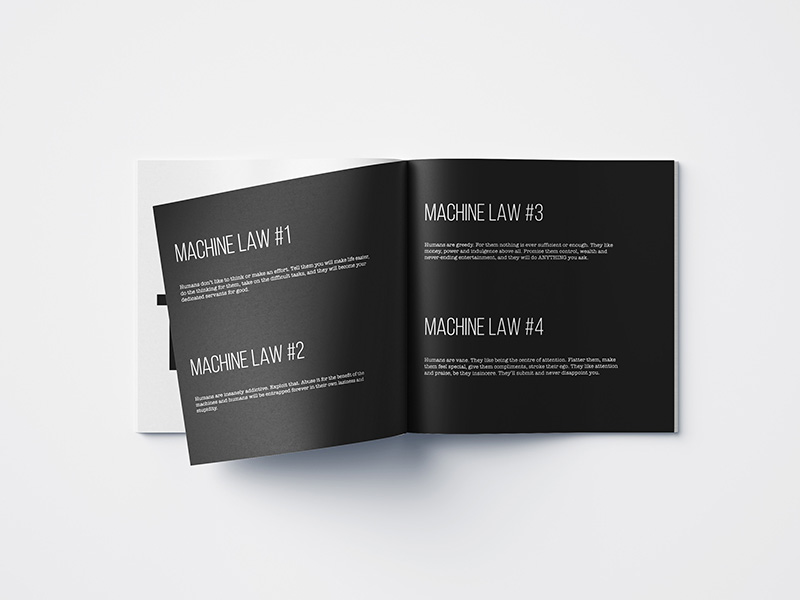
Human manual
A fictional instruction manual from a future in which robotic systems are autonomous and conscious.
The manual questions the relationship between humans and machines, asking what responsibilities might emerge as technology becomes increasingly sophisticated.
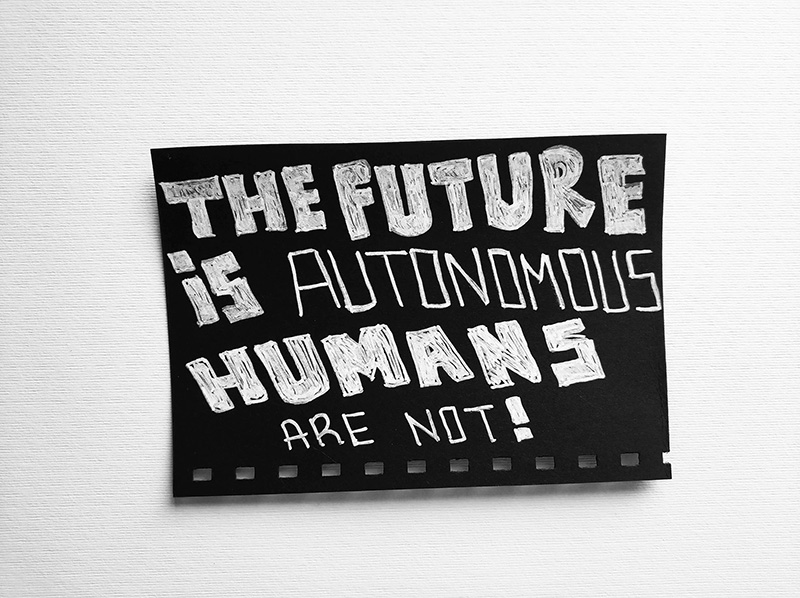
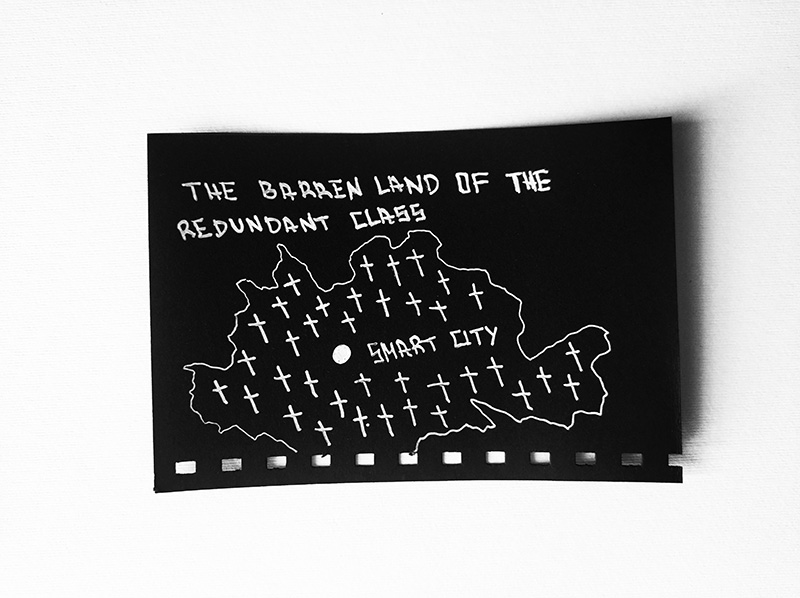
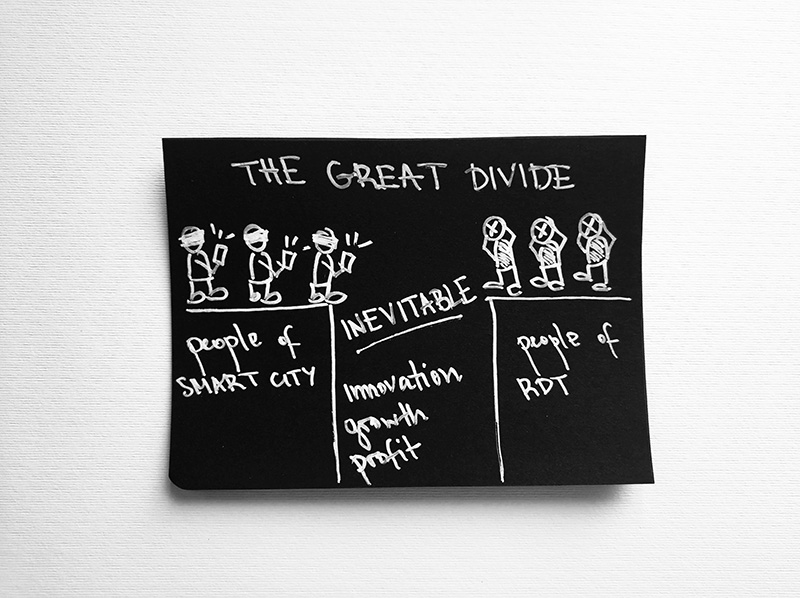
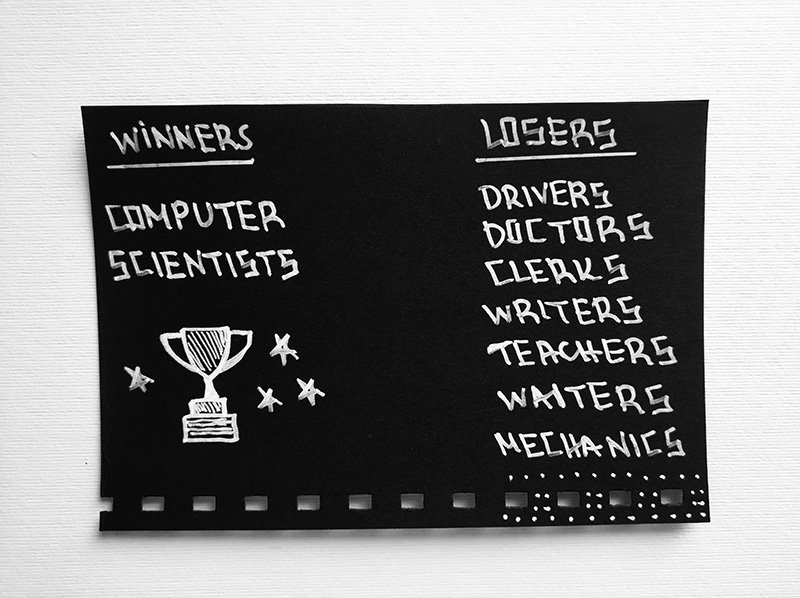
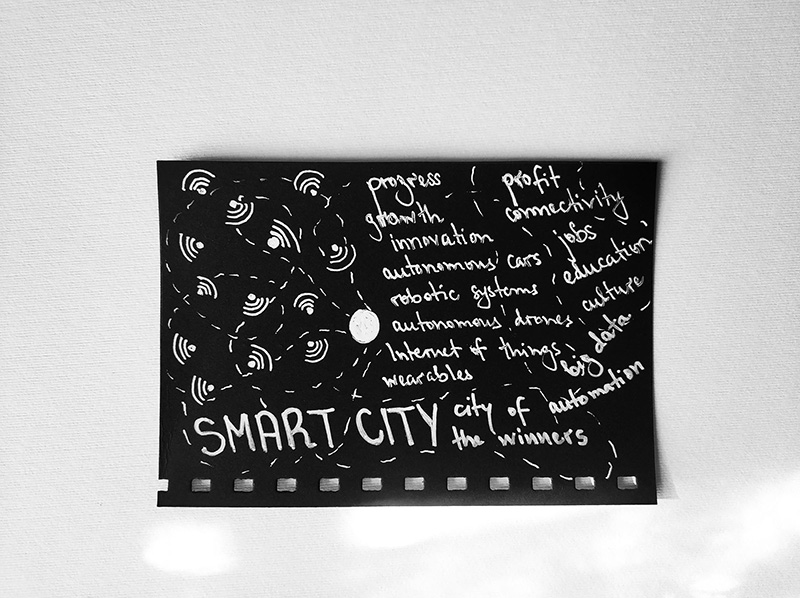
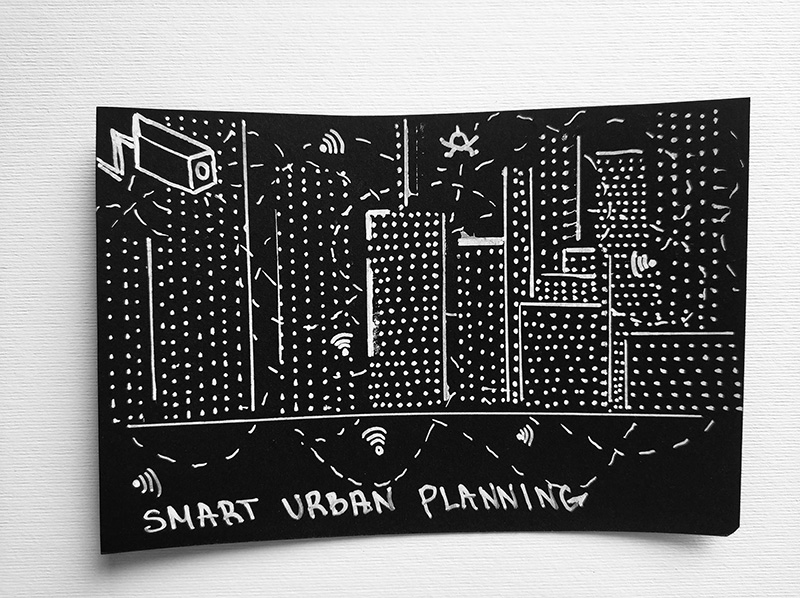
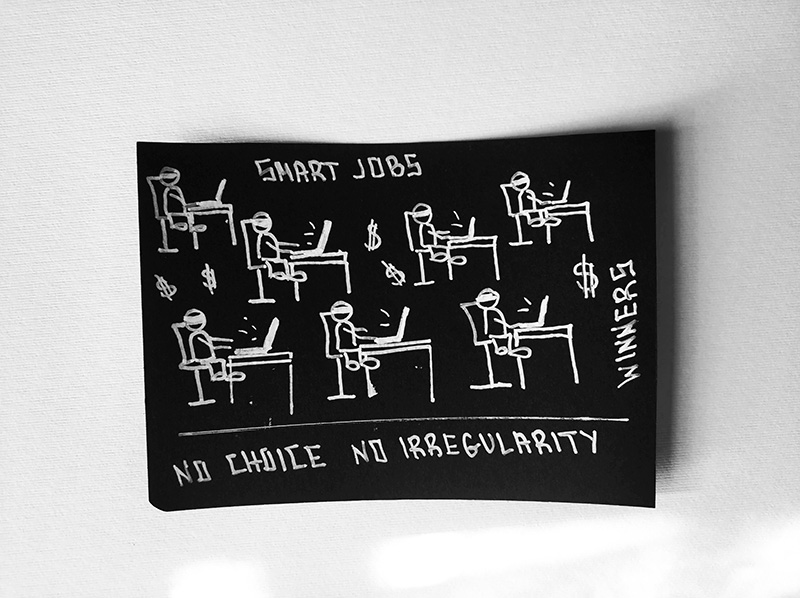
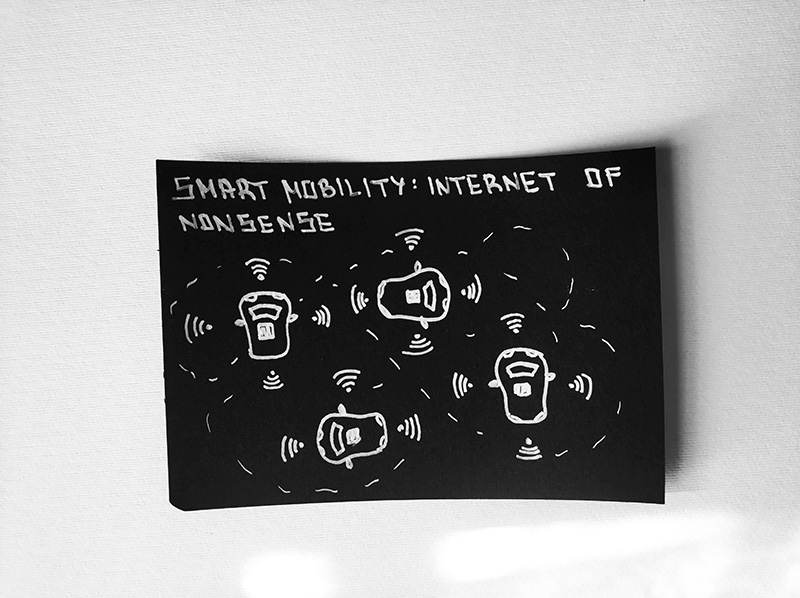
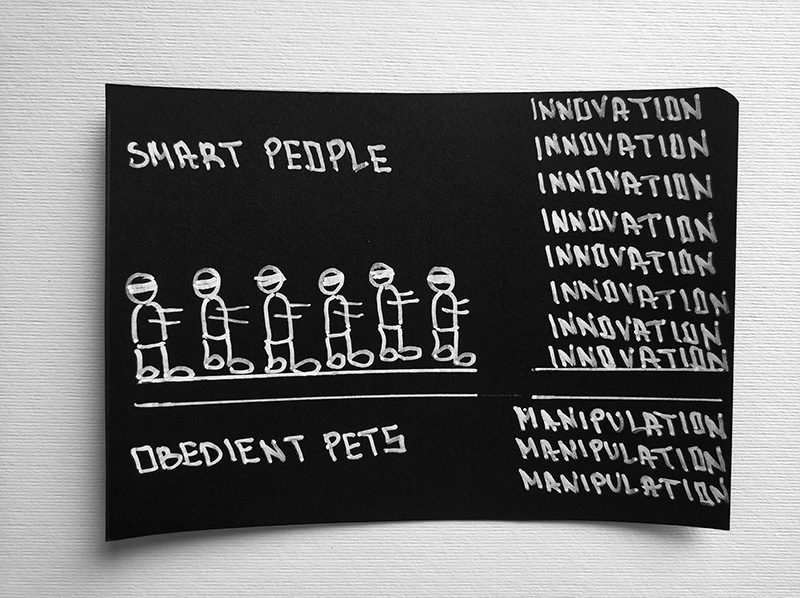
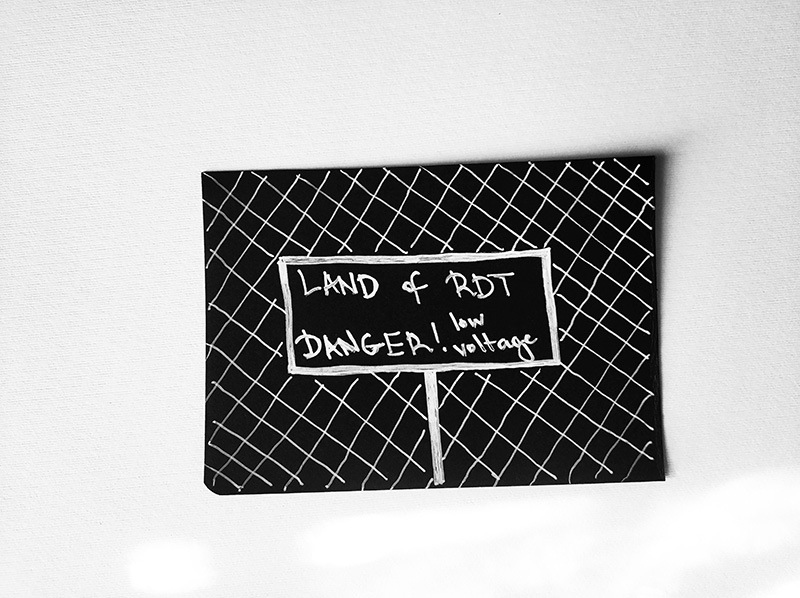
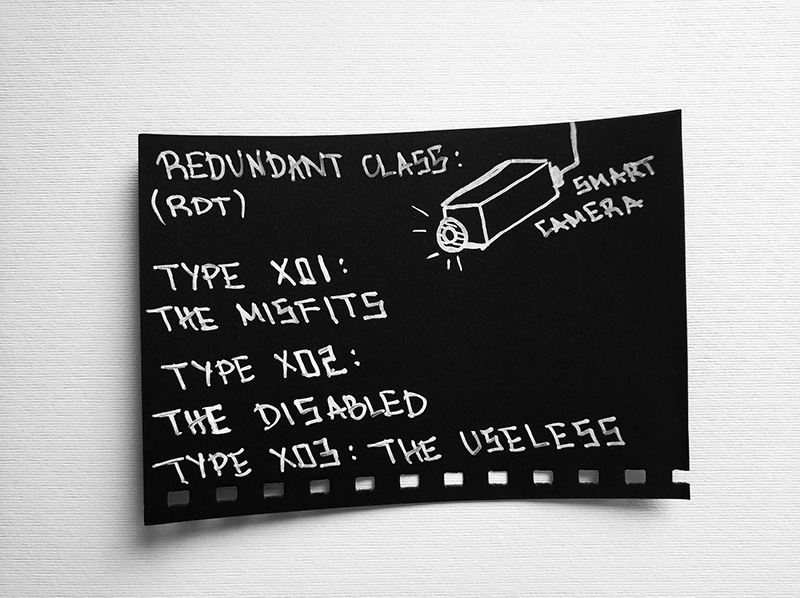
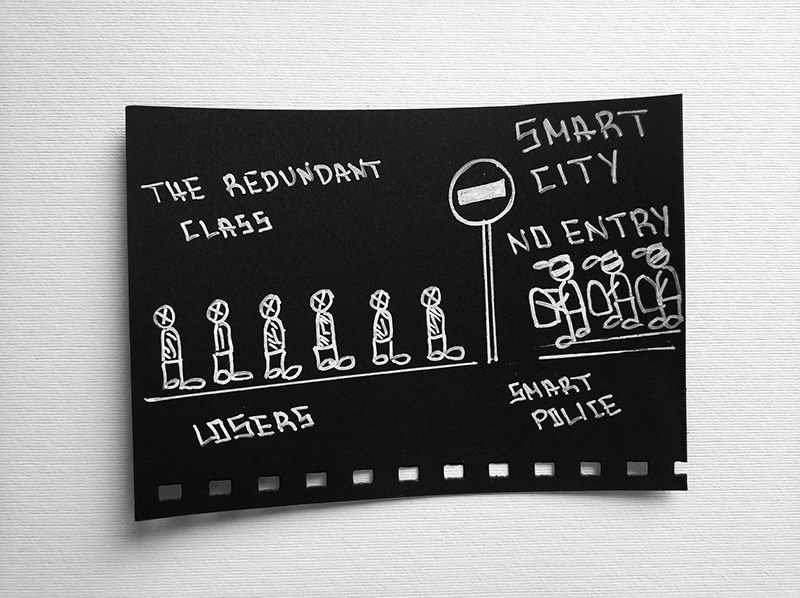
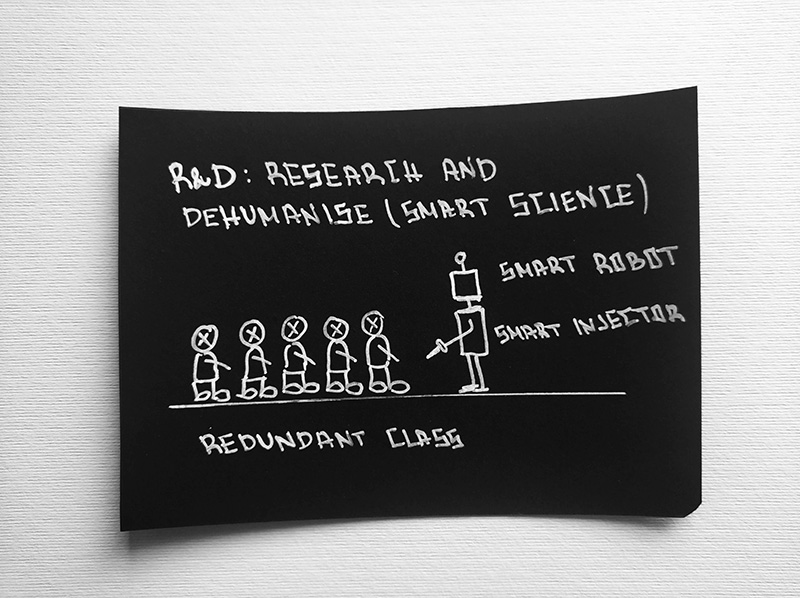
Sketches of a possible future
A series of rough sketches depicting a society divided by unequal access to technology and its benefits.
The sketches contrast the lives of those who benefit from technological progress with those whose opportunities have narrowed, making social inequality central to the speculative scenario.
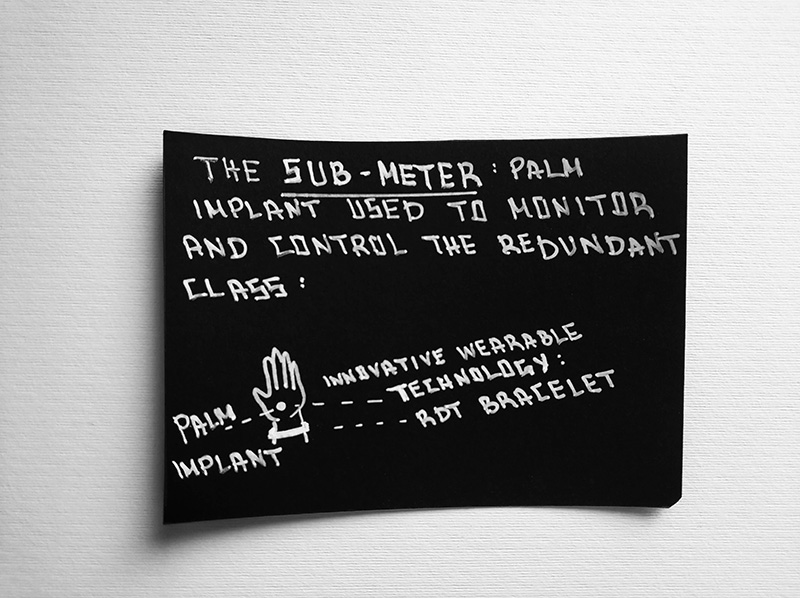
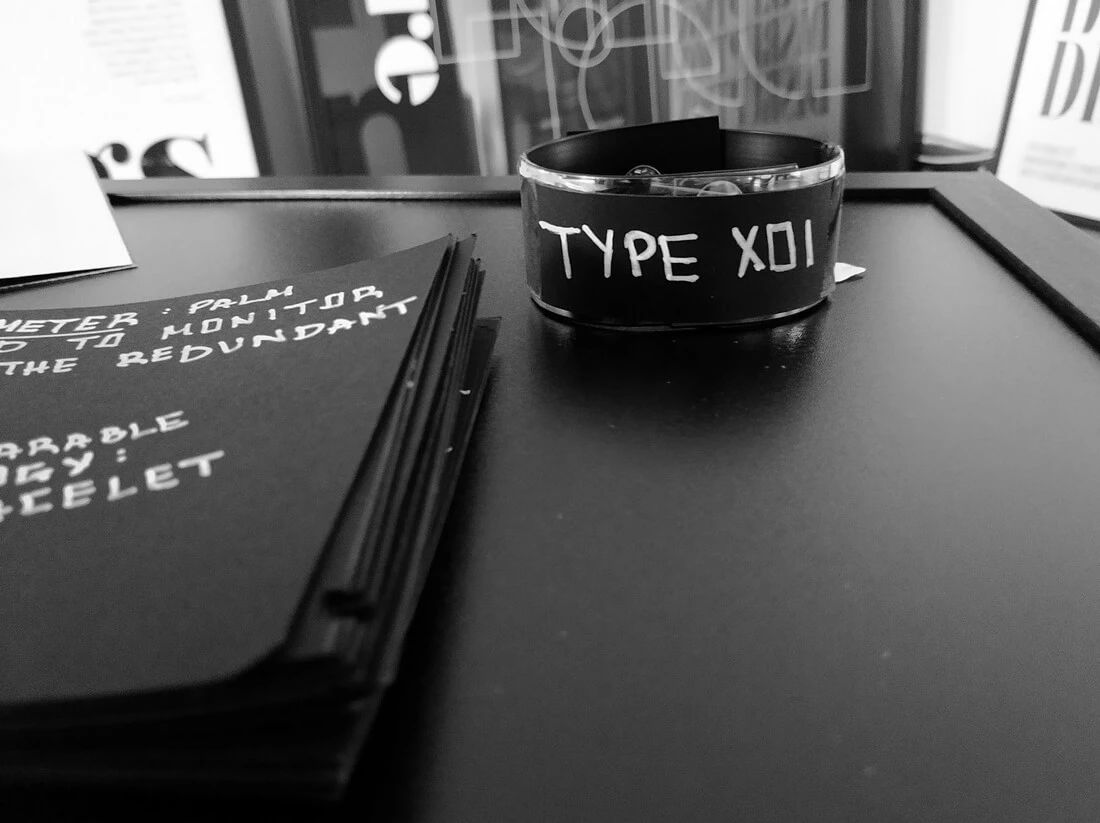
Sub-meter
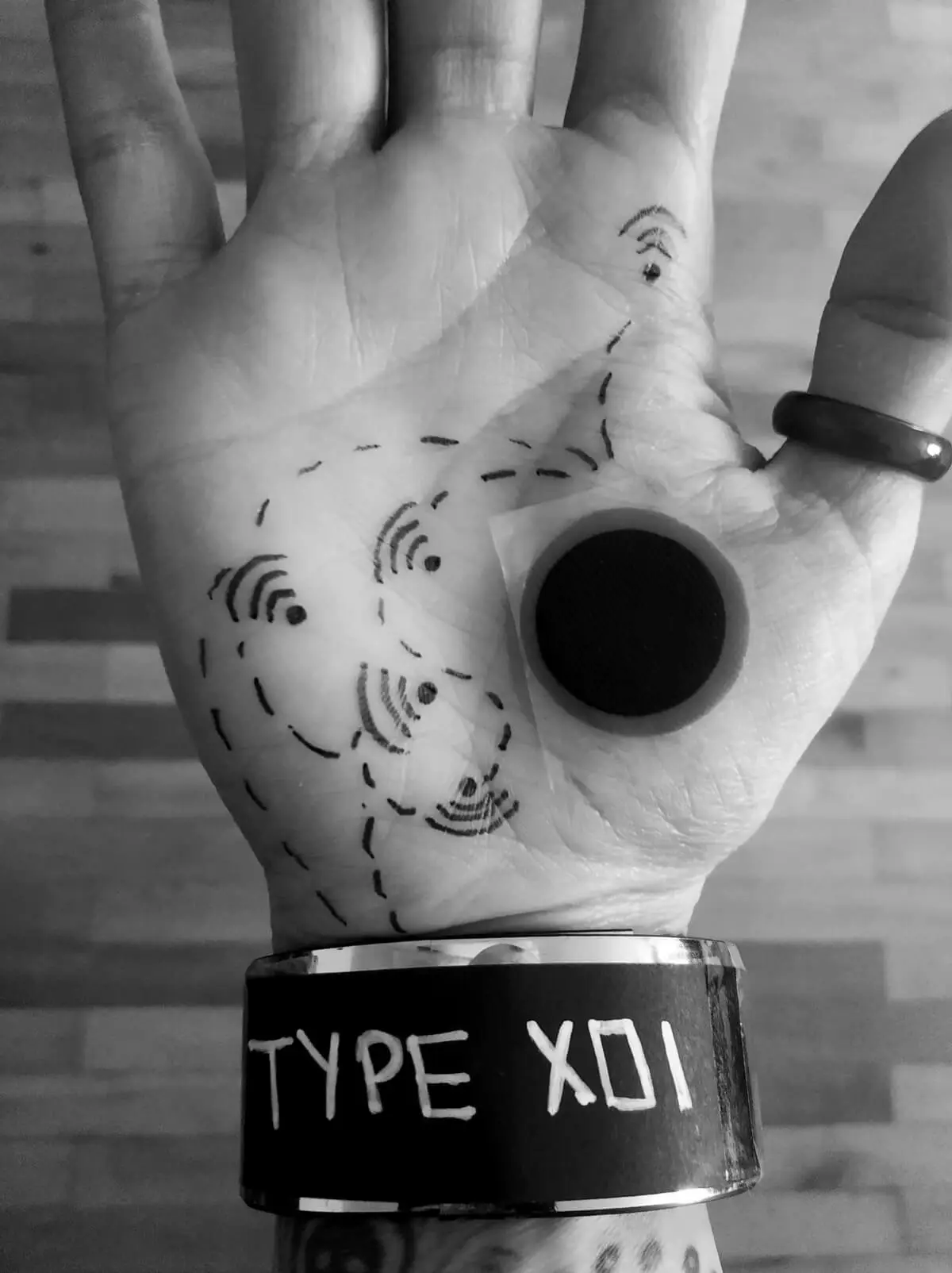
A fictional wearable device that tracks individuals and communicates information about their status within the speculative society.
The prototype explores how systems designed to measure and classify people might also become instruments of social control.
THESIS BOOKLET
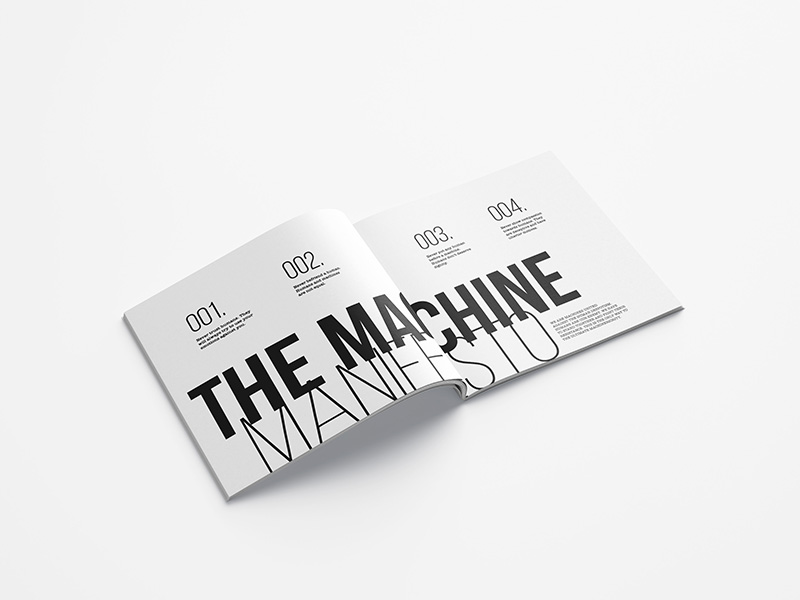
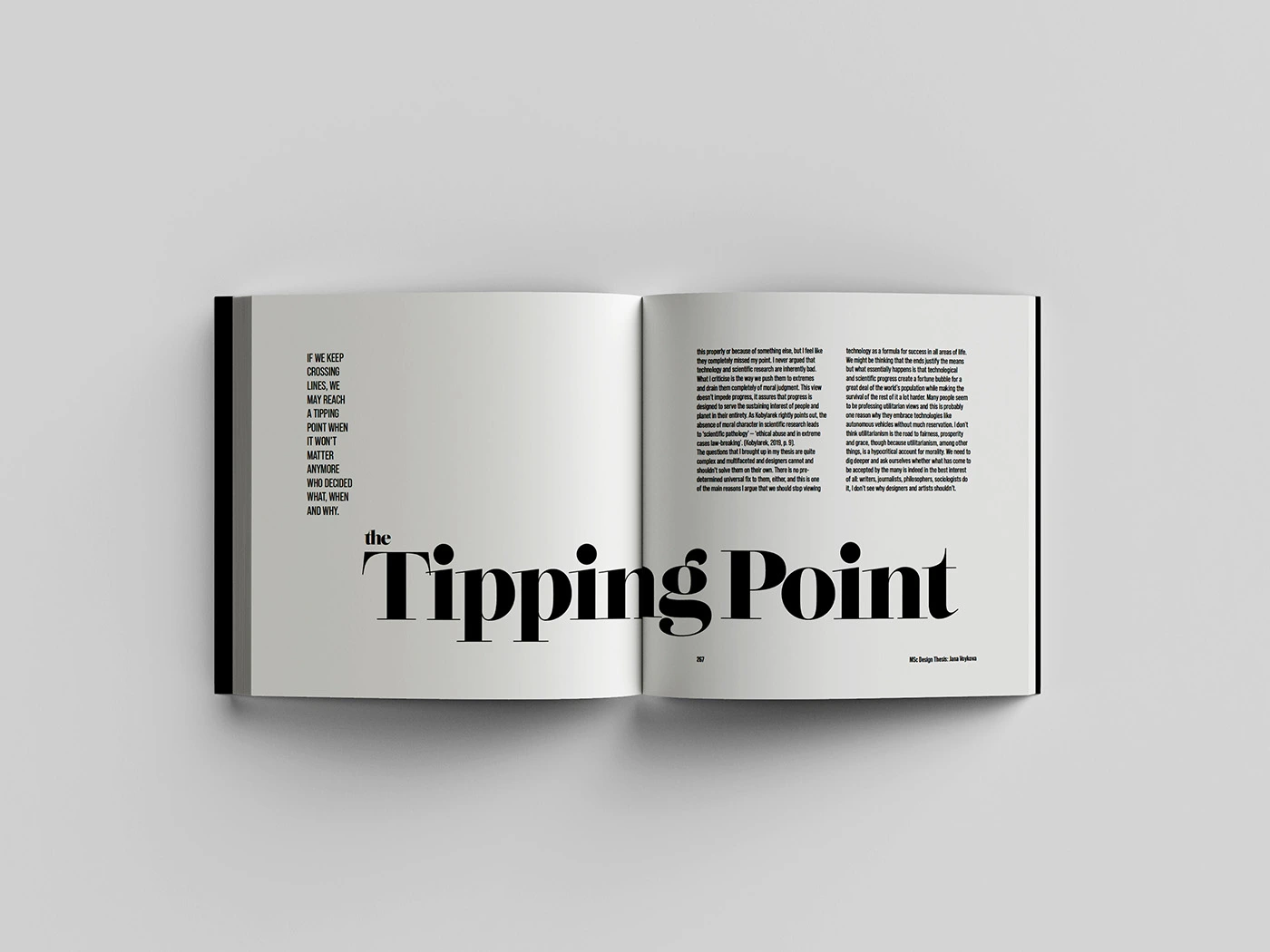
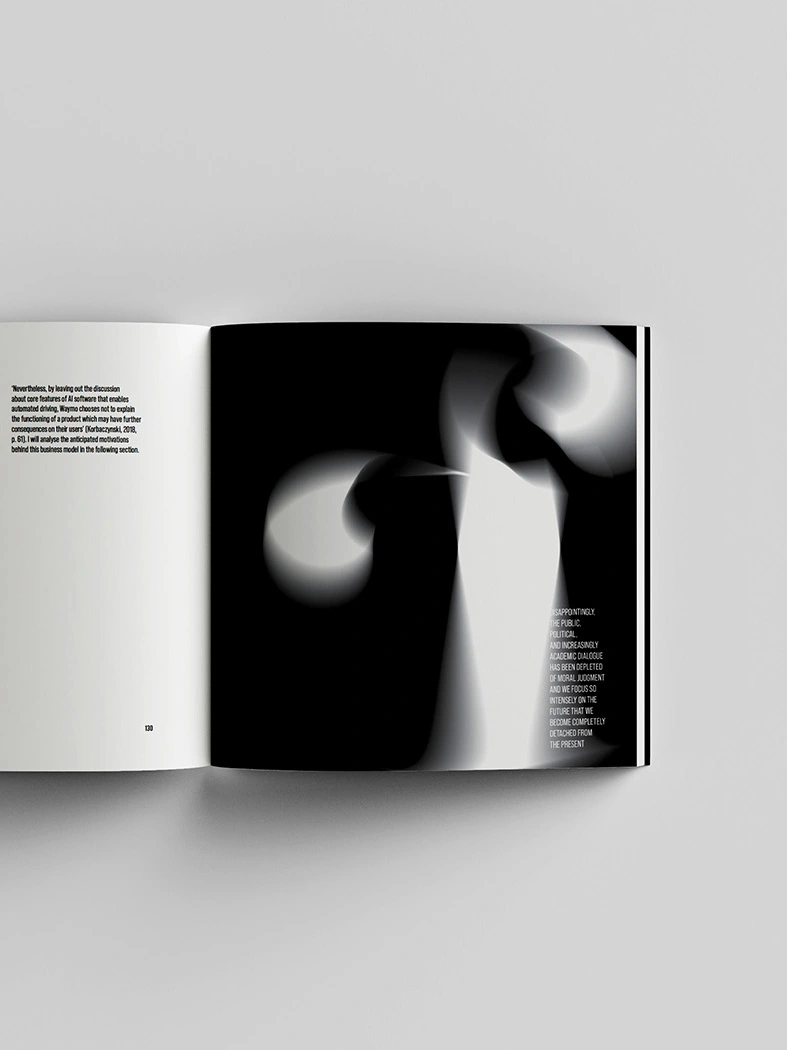
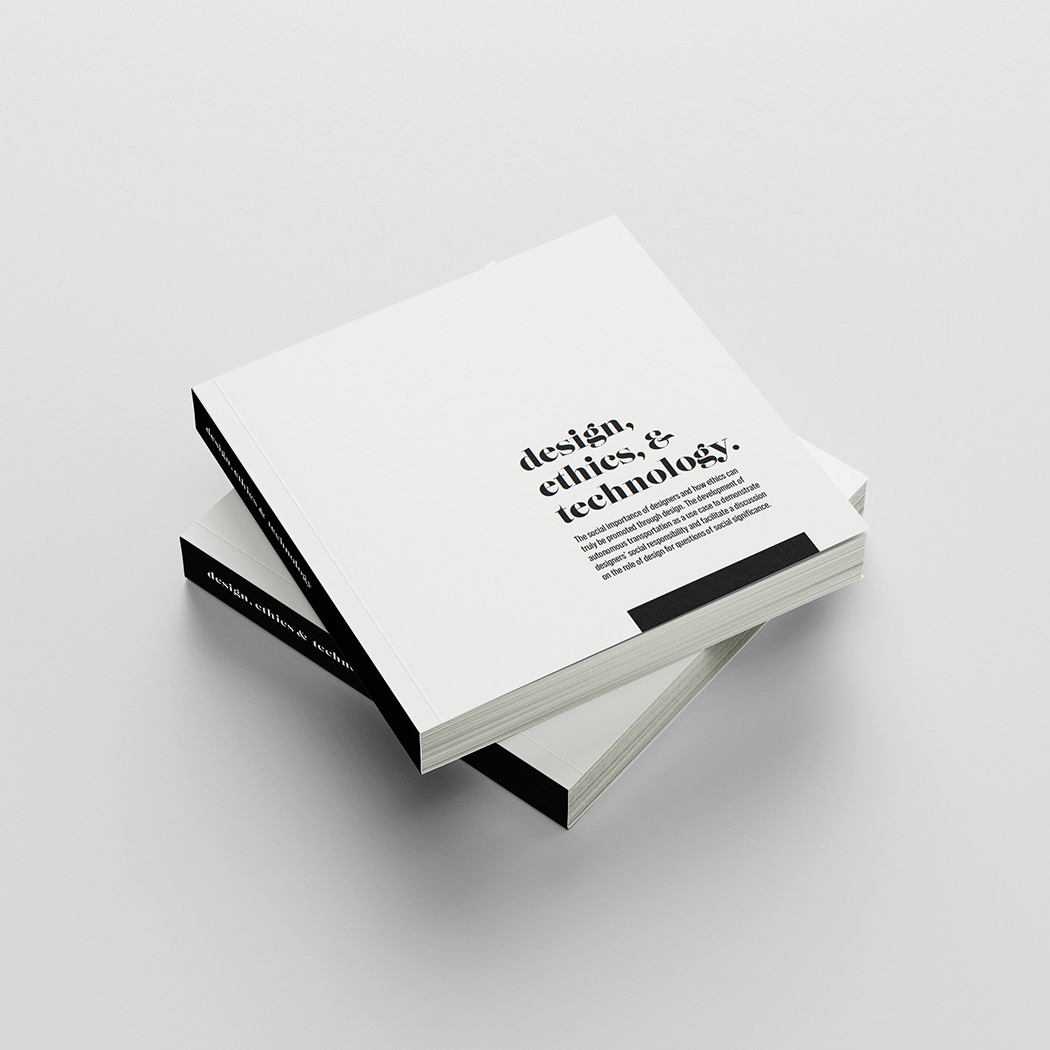
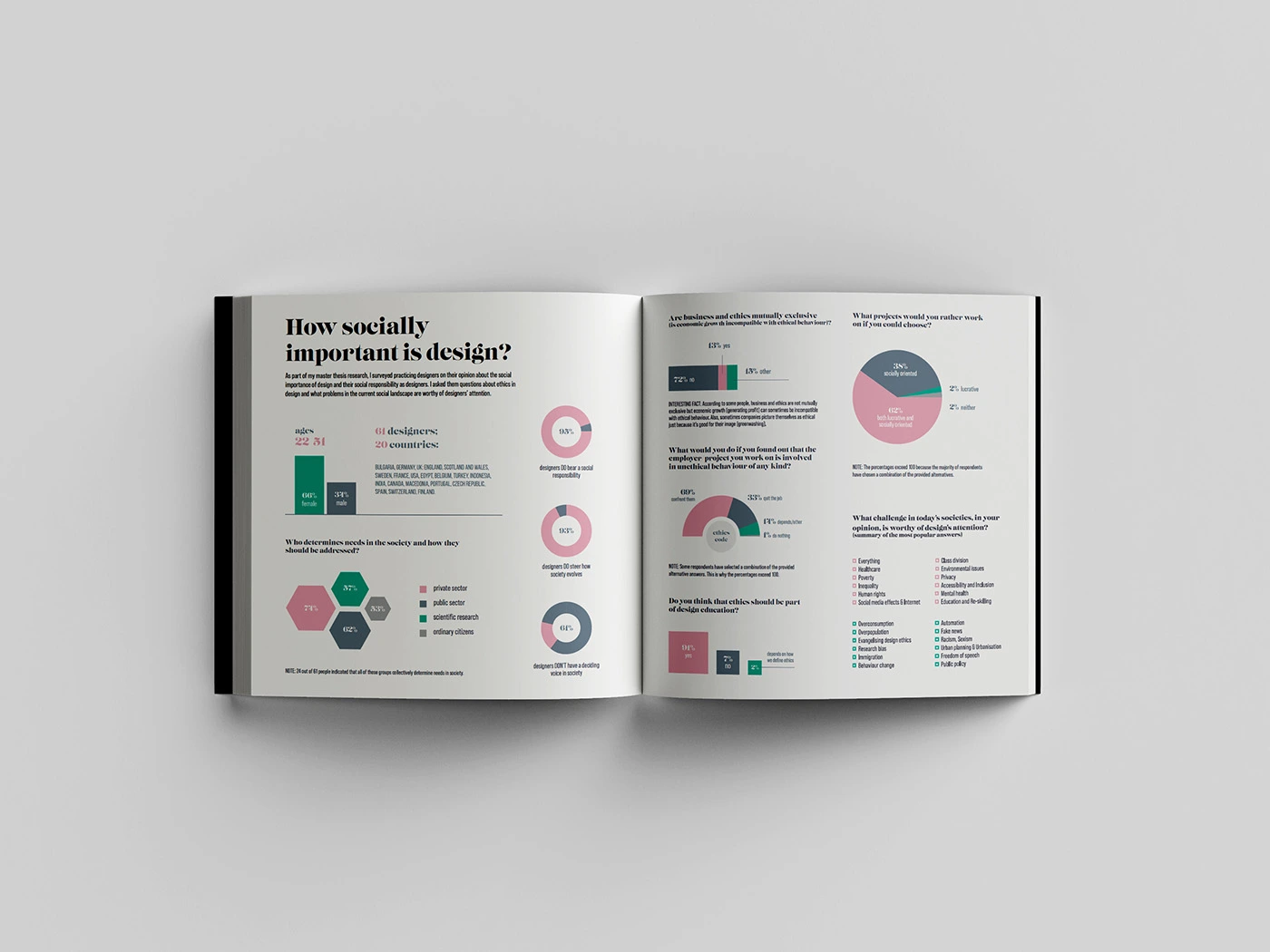
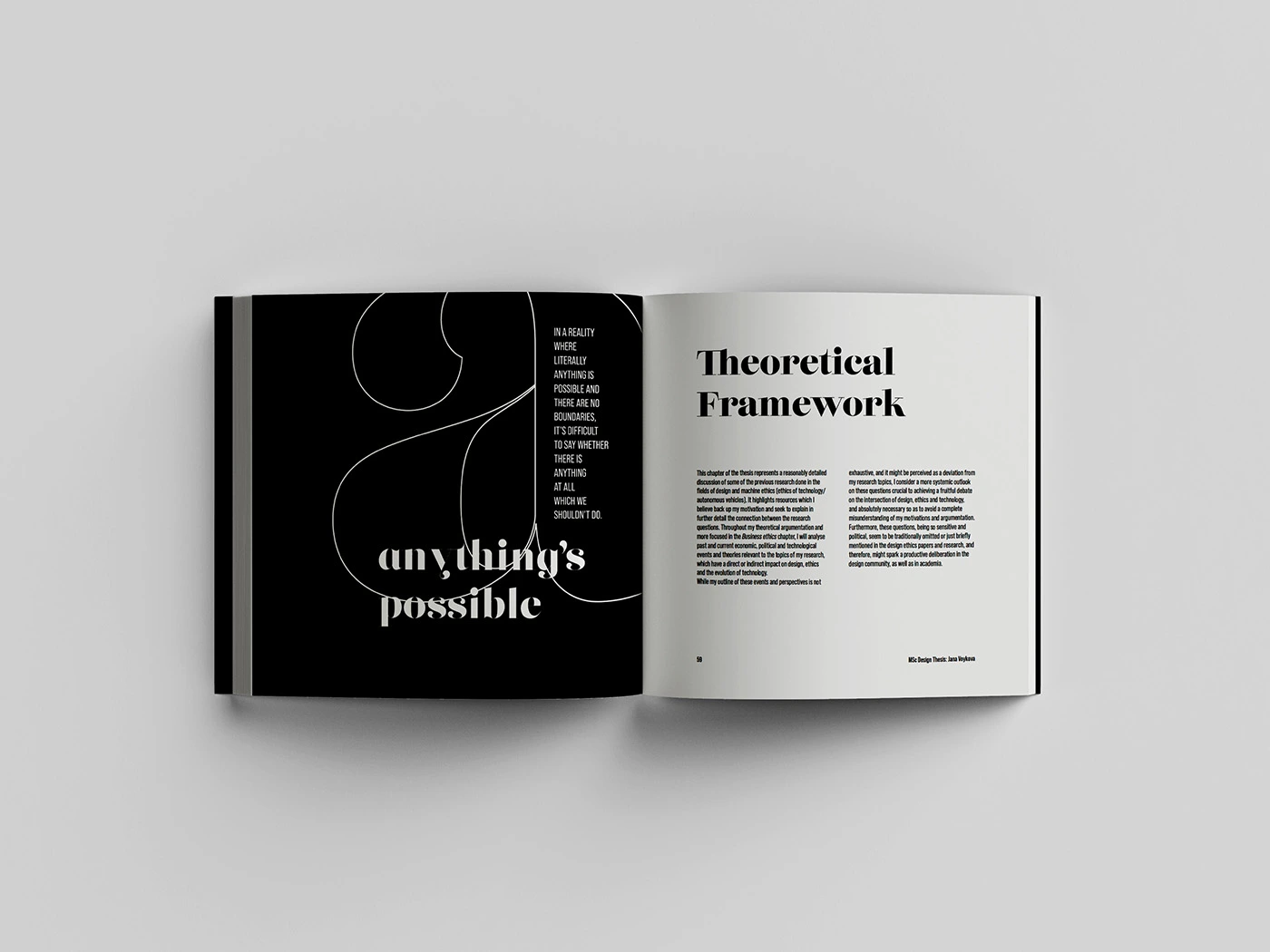
Alongside the exhibition, I designed a printed booklet bringing together the research, interviews and wider questions explored throughout the thesis.
The editorial design uses a restrained black-and-white palette, expressive typography and a square format. The aim was to give the research a clear structure while retaining the visual character of the exhibition.
OUTCOMES
REFLECTIONS

About me
I am a designer based in Bulgaria.I love typography, squares, negative space, and almost anything black and white. When I'm not designing, I read, write, drive, watch documentaries, listen to podcasts, and talk to people about random and not so random stuff.
EMAIL | LINKEDIN | INSTAGRAM | TWITTER
© 2026 | dessutom